


Secure Shopping
Products from authorized providers at fair prices.
Steam’s new algorithm now considers not just the dollar rate, but the real value of your money.
Valve has kicked off 2026 with a game-changing update for the gaming world. The newly integrated pricing tools in the Steamworks panel now offer developers a system that suggests prices based on each country’s actual purchasing power instead of tying everything to a single currency.
So what will this mean for the global gaming market and your wallet? Let’s dive into what’s behind this new era.
To make the global market more balanced and help developers optimize their worldwide revenue, Valve is now offering three different pricing calculation methods:
Exchange Rate Based: This method relies entirely on the latest USD exchange rate. (The old system, where prices would swing wildly with currency fluctuations.)
Purchasing Power Parity: Takes into account average income, cost of living, and local market data for each country. This is expected to create the most "fair" prices for the majority of global gamers.
Multi-variable Hybrid Method: Blends exchange rates, purchasing power, and local entertainment costs—Valve’s so-called "golden ratio" that’s recommended for most regions.
The most important part of this system is that it’s not mandatory. Publishers still have full control over their game pricing, but here’s what’s likely to happen globally:
Global South and Emerging Markets: In regions like Southeast Asia (Vietnam, Indonesia), Latin America (Brazil, Mexico), and the Middle East (MENA-USD), where purchasing power is below the global average, we may see a 20 to 40 percent price drop thanks to Valve’s new tool. Developers, now equipped with clear purchasing power data, are likely to lower prices to reach these massive untapped audiences.
Indie Developers: Small and mid-sized studios often follow Steam’s "trusted global recommendations," making indie games more accessible and widespread in the global market.
AAA Giants (EA, Ubisoft, Activision): These companies usually set their own global policies based on internal data. Since they can reject Valve’s recommendations if they find them "too low," don’t expect instant price drops for blockbuster titles.
The Stability Advantage:
The biggest advantage of this system is that prices will now be updated based on annual economic data rather than daily exchange rate swings. This means more predictable and stable pricing instead of constant changes.
| Status | Impact |
| Global Accessibility | Developers will be more motivated to solve the accessibility problem for gamers in low purchasing power regions, since these numbers are now clearly visible in the panel. |
| Developer Analytics | Developers can now directly link low sales in a country to its purchasing power data. |
| Market Expansion | By making it possible for gamers who couldn’t previously pay full price to join the ecosystem, this system will help expand the global market. |
In Conclusion: While this isn’t a "magic wand" for the global gaming market, it does give developers a much more powerful and official set of data that says, "You can’t sell at 60 dollars in this region, but if you drop it to 30 dollars, you’ll sell more copies and earn more revenue." This new era could lay the foundation for a fairer and more accessible pricing approach that truly respects purchasing power in the global gaming world.
 Xbox’s New Mythic Achievement: A 15-Second Epic Unlock
A new Xbox PC app update has revealed the Mythic Achievement badge Xbox’s answer to PlayStation’s Platinum Trophy along with an epic 15-second unlock sound. Here’s how it works.
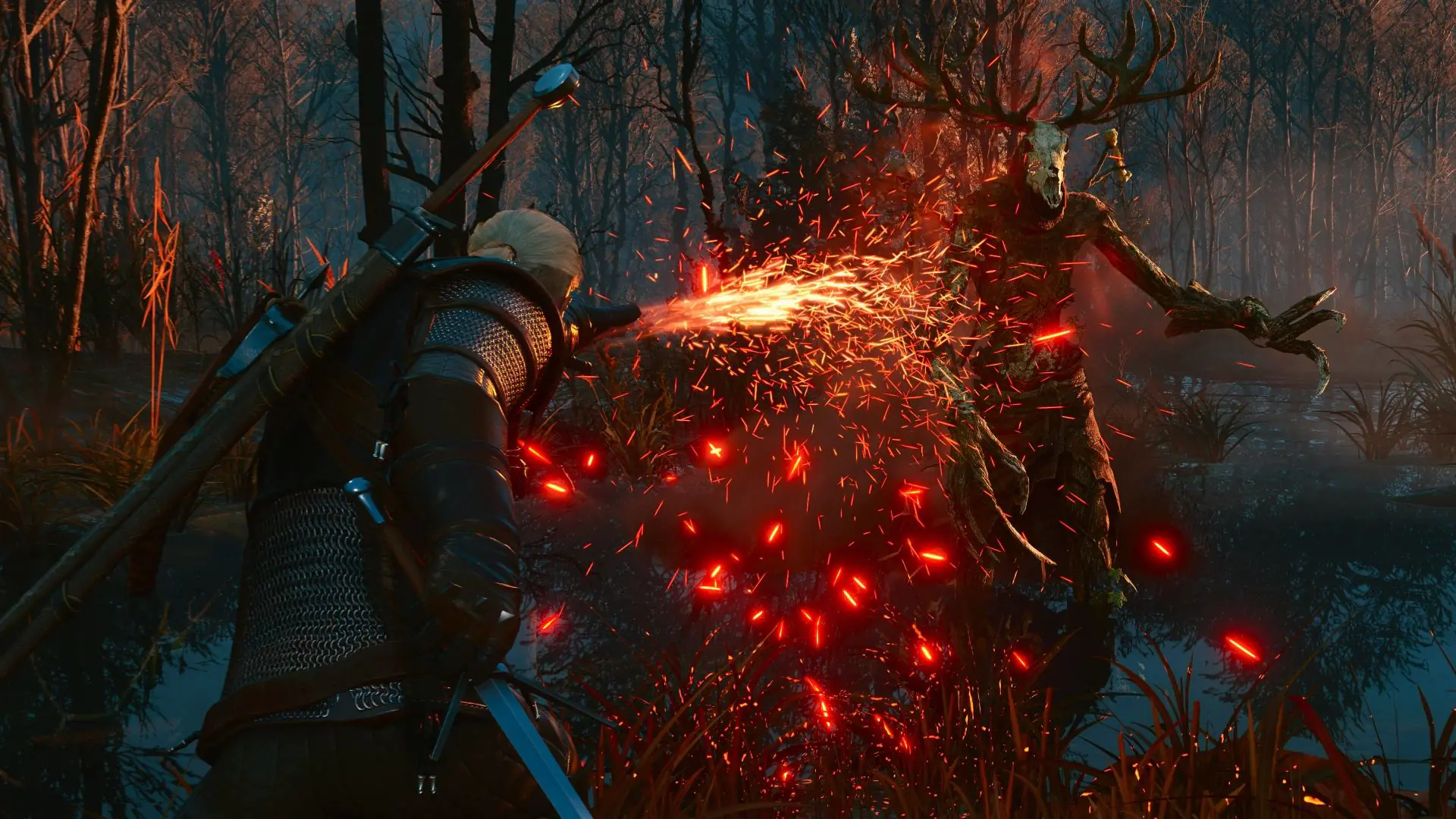 The Witcher 3 Remastered: Global Release Times and Major Updates Revealed
CD Projekt Red confirms The Witcher 3 Remastered will launch in Europe on September 29 at noon (Paris time). Discover free upgrades, save transfers, and the debut on Battle.net.
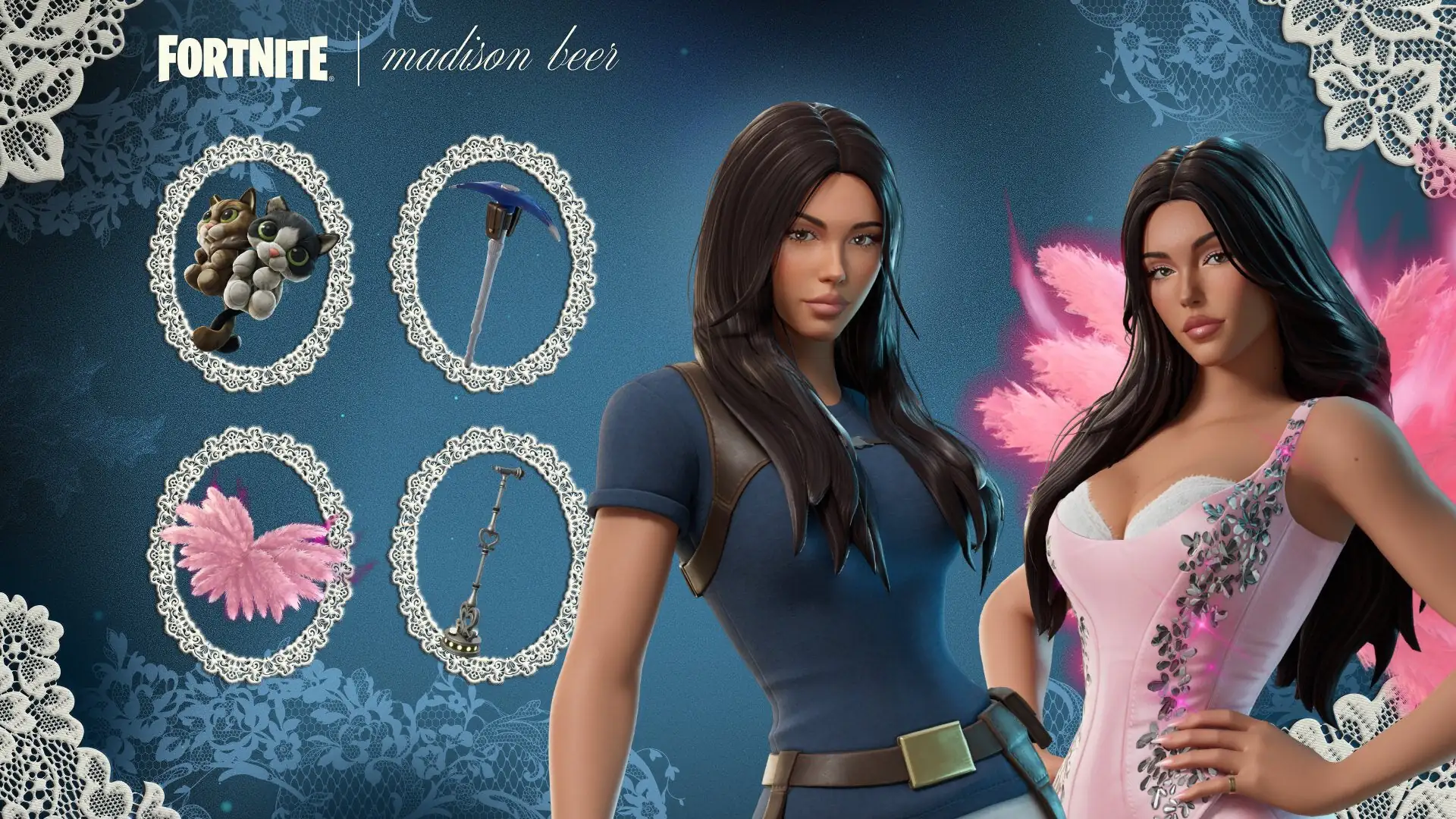 Madison Beer Joins Fortnite Tomorrow After a Simple Request
After jokingly asking Epic Games for a Fortnite skin, Madison Beer joins the Icon Series just seven months later. Discover details on the two skins, cat-themed back blings, and the competitive Icon Cu
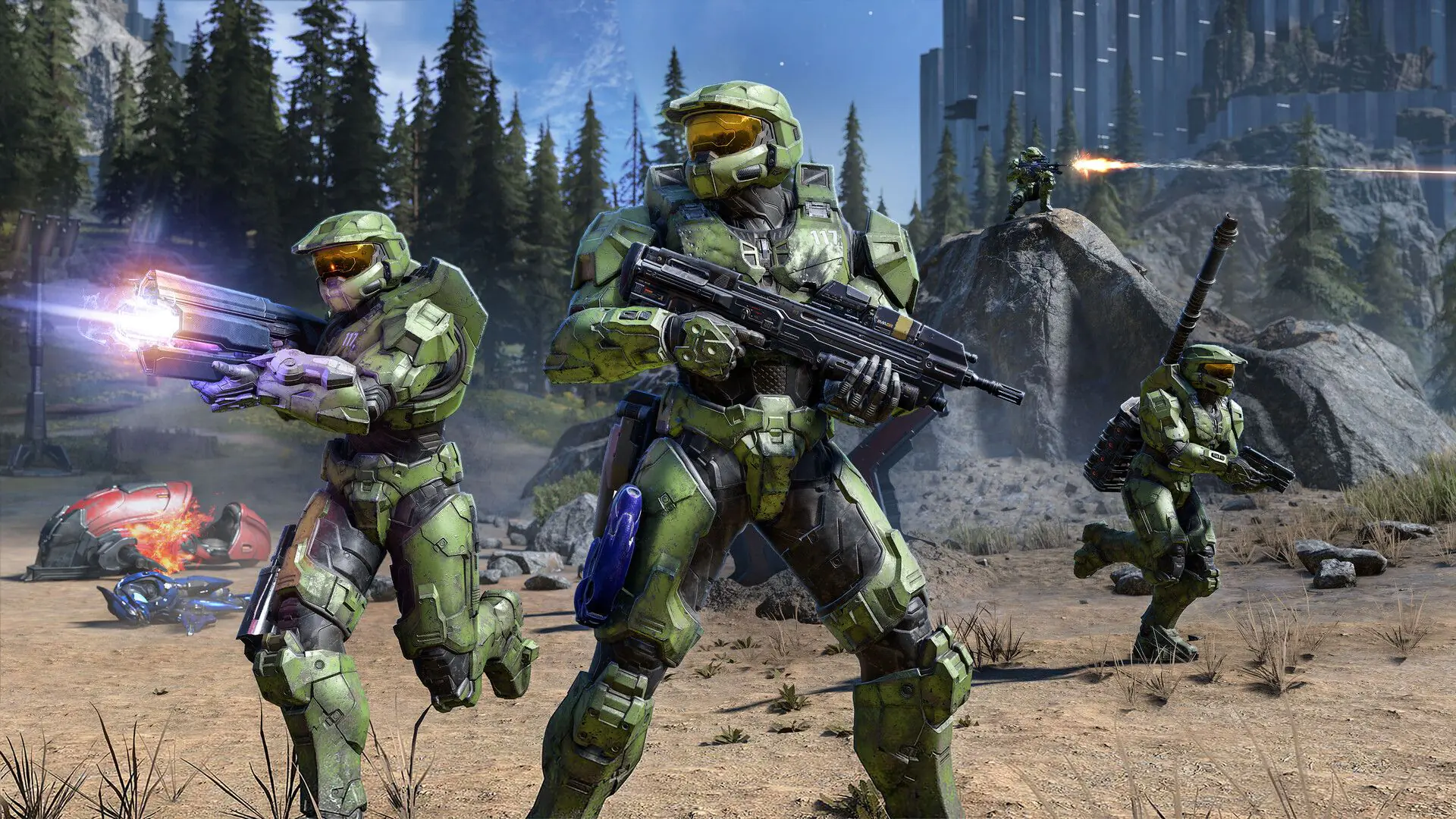 Everything We Know About Activision’s New Halo Game
We’ve gathered all the key details about Activision’s bold new era for Halo and what it means for the franchise.
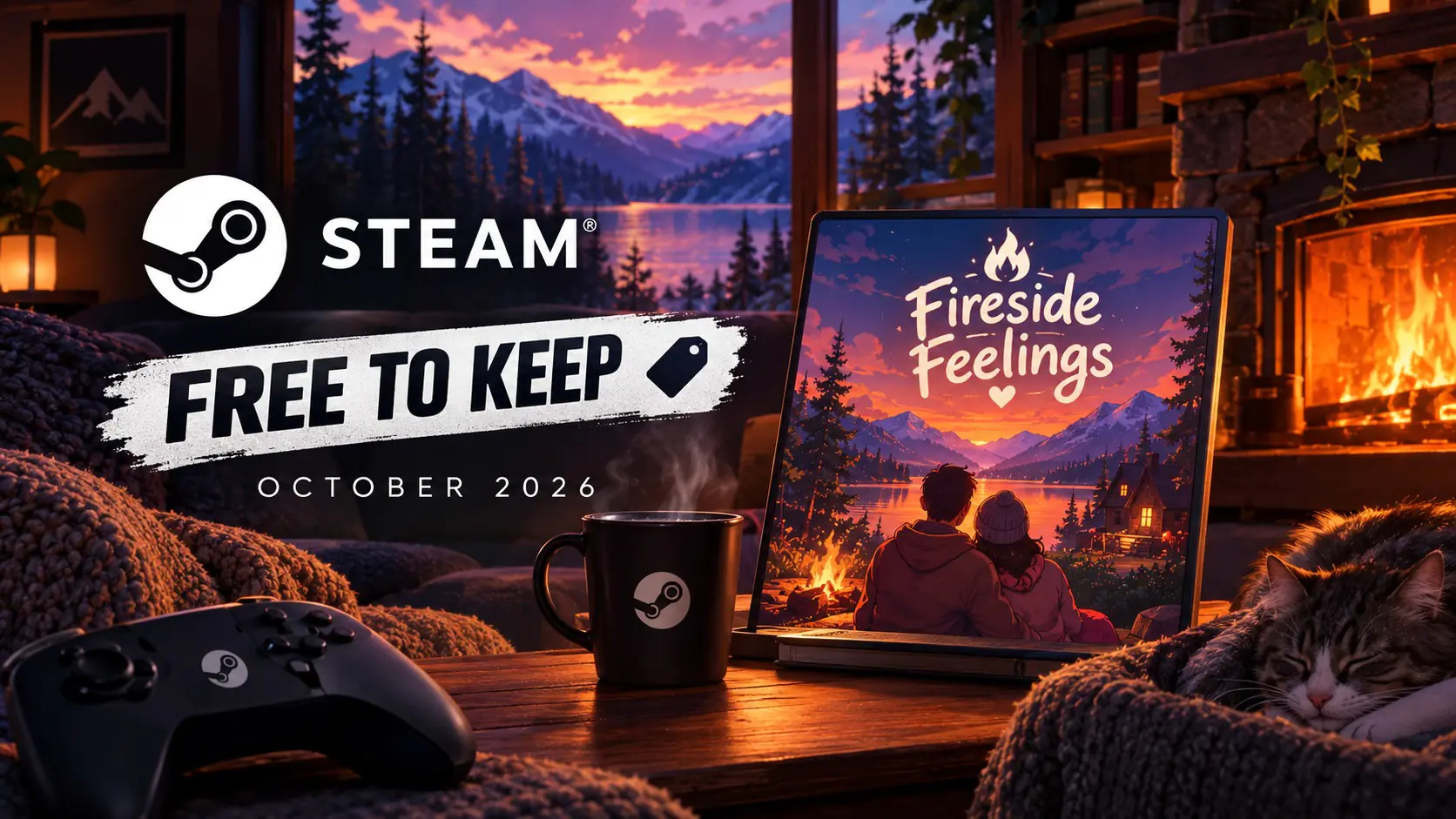 Steam’s Free-to-Keep Promo: Another Free Game Confirmed for October 2026
Story-driven cozy game Fireside Feelings and more. Here’s everything going free on Steam this October.
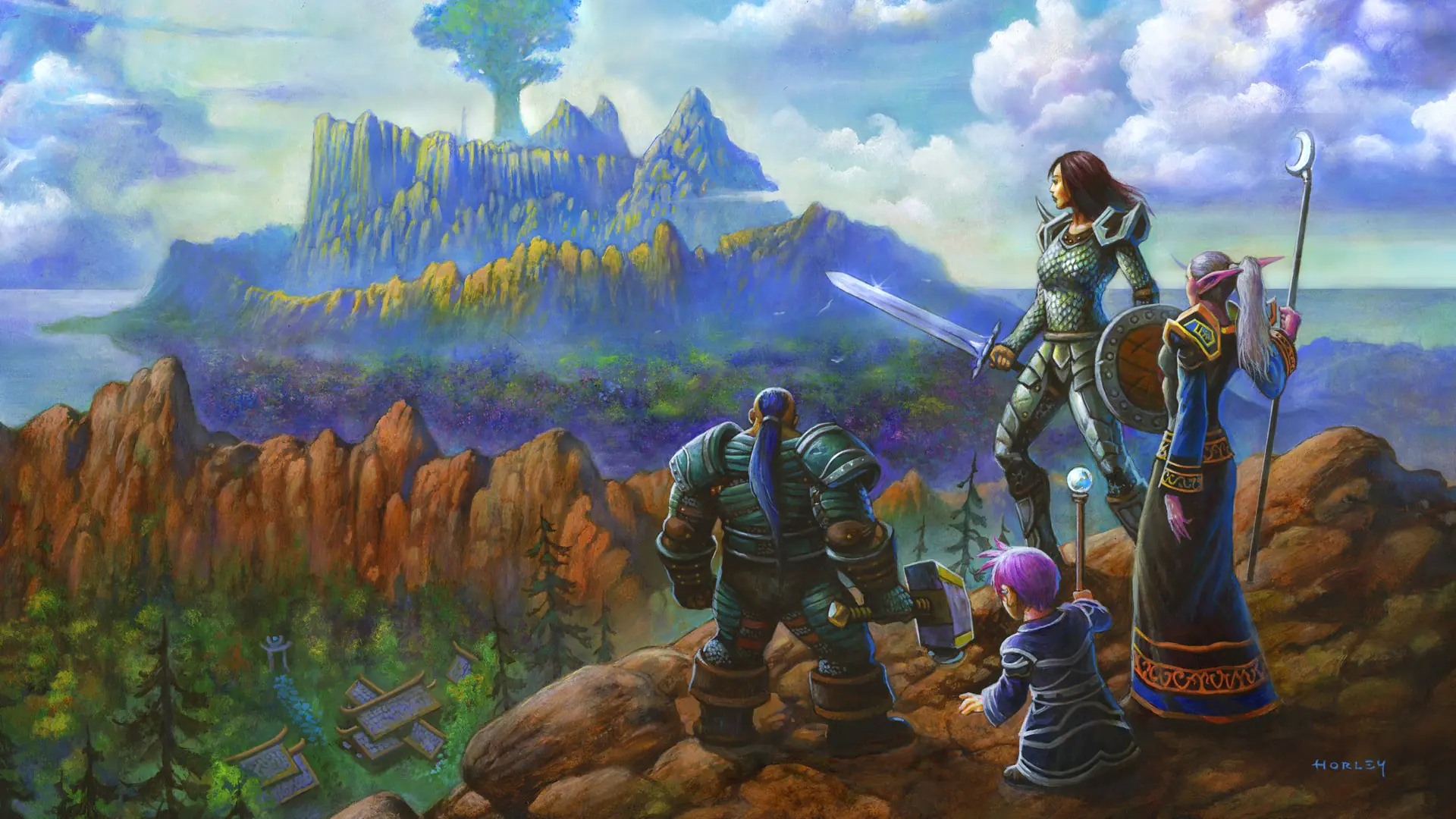 How WoW Forever Early Name Reservation Works
WoW Forever drops server lists and introduces a unique two-part name system for characters. Early Name Reservation opens October 27 here’s how to secure your favorite name.
Products from authorized providers at fair prices.
24-Hour Nonstop and Fast Delivery Service.
24/7 Support Center
100% Satisfaction Guaranteed